

How a Personal Injury Attorney Can Help You
A personal injury lawyer is recommended if been injured in an accident. They can assist you in recovering damages from the party responsible.
The first step is to determine whether or not the defendant was negligent. This can be determined by performing a liability analysis.
Liability Analysis
A liability analysis is the process that involves assessing the amount of money that is due to the victims of an accident. This could include damages for medical expenses, lost wages and other expenses resulting from the accident.
After your lawyer has gathered enough evidence to back a claim, they will begin conducting a liability analysis. This involves looking over case law, common laws, and legal precedents.
A liability analysis is vital when it comes to personal injury lawsuits. It will assist you in determining the amount of you could be entitled to as compensation for your losses and injuries. It could also play an important role in the negotiation process and ultimately the success of your case.
In most instances, the first step in a personal injury claim is gathering evidence to prove your claim and the defendant's responsibility. Typically, this means gathering medical records, witness statements and other documentation that supports your claims.
This process is not just time-consuming, it is essential to the legal process. This helps to ensure that defendants are accountable for their actions, and that you can pursue damages for the injuries you sustained.
After obtaining sufficient evidence to support your claim, the attorney will conduct a liability analysis to determine the amount of damages that are due. This involves reviewing the California case laws and common laws as well as statutes.
The lawyer will also look over any relevant medical records to ensure that your claims are valid. This could include contacting any hospital or doctor who have treated you and asking for detailed reports.
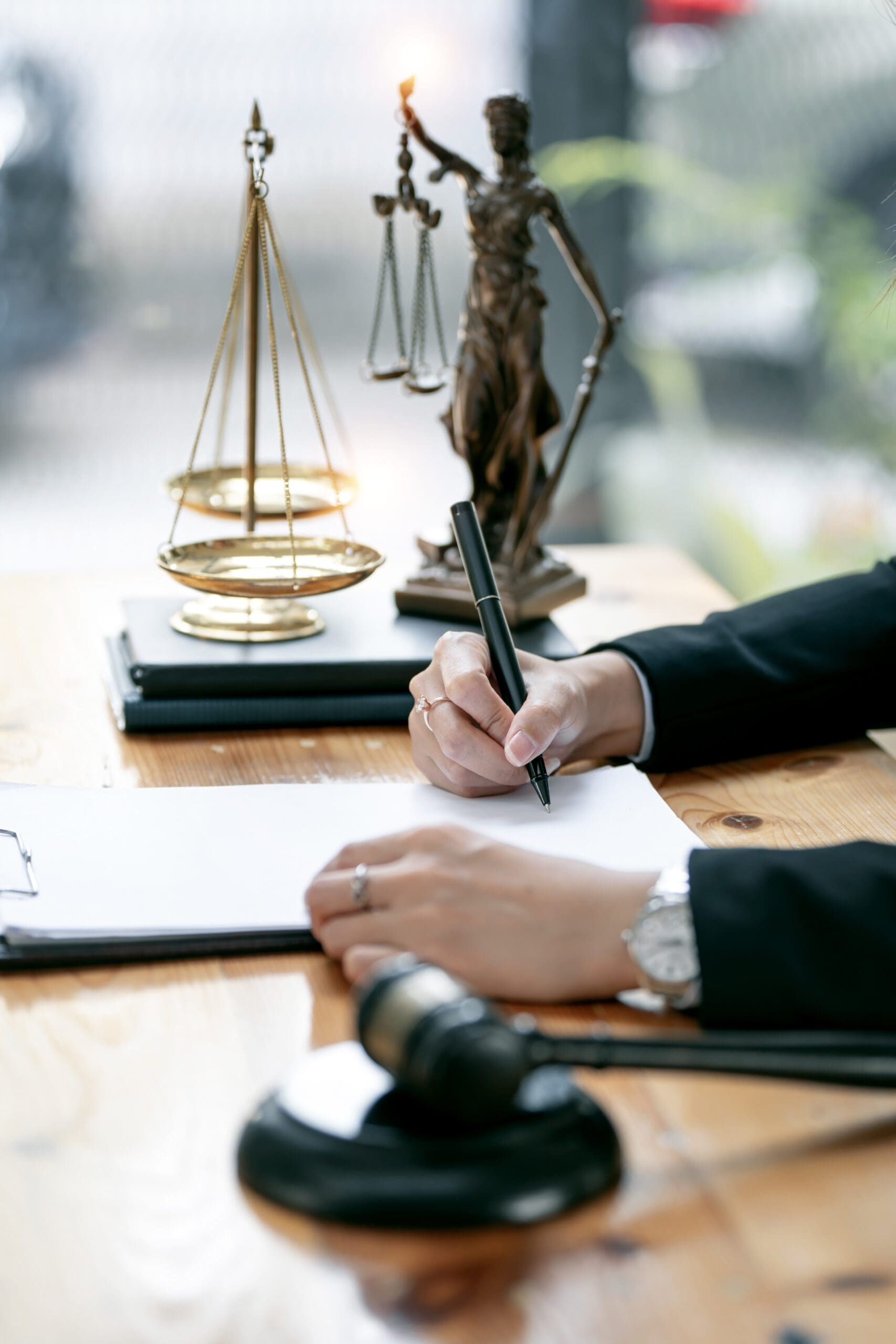
This type of analysis could be more complicated when your injuries are complex situations or are rare. This is especially true when your injury is caused by drugs or products.
The attorney will then review your damages and determine the worth of your medical bills, lost wages, and other costs. This will help the attorney determine the total worth of your case and decide if it is worthwhile to pursue your claim or not.
Mediation
Mediation is an alternative dispute resolution process in which parties attempt to reach an agreement on their case prior to trial. It is a voluntary and confidential process. The mediator can't use any information from the other side in court.
In personal injury litigation, mediation is usually the first step towards settling and can save both parties time, money, and stress. Sometimes, however, negotiations can get stuck in an unending cycle.
That's when you need an attorney for personal injuries who knows how to handle mediation. They will assist you navigate the mediation process and bring your case to a successful conclusion.
An attorney for personal injury will also be able to prepare you for mediation so that you're well-prepared mentally and emotionally to enjoy a productive experience. They will make sure that you have all of the information you require, including your medical records and personal information.
Once you've met with a mediator, they will take the time to get to know you and your situation. They will ask you questions about your injuries and the family you have. They will then listen to your thoughts and assist you in deciding the best way to proceed with your case.
The mediator will then take a look at all the evidence from the case, and they'll be able talk to you about the options for settlement. They'll be able to provide you a realistic estimate of how much your case could settle for.
After the mediator has a chance to speak with you, they'll arrange an appointment with your lawyer and the insurance company of the defendant. They'll go over the options for settlement and assist you decide what you'd like to see in a solution for your case.
If mediation fails to lead to a settlement, the mediator can help both sides by telephonic communication or in another session. They may also follow up with other channels like expert consultations or depositions.
This is particularly useful in cases of serious injury. It can give the mediator an idea of what a fair settlement would be for the plaintiff. Then, he will have an idea of how much to provide the defense.
Settlement Negotiations
If you're injured in an accident caused by someone else you have to seek compensation for your medical expenses and loss of income. personal injury lawsuit boca raton will assist you in getting the amount you deserve through working with the insurance company for your benefit.
The process of settlement negotiation typically involves back and forth exchanges with the insurance adjuster of the other party where both parties trade offers in order to reach an agreed amount for compensation. This process may take weeks, months or years depending on the specific circumstances of your particular case.
It's essential to remain calm throughout this stage of negotiations and not take it personally. Anger can cause delays during settlement negotiations and may even result in you losing out on an opportunity to get a better deal.
Before you engage in a settlement you should think about what your priorities are and how you want to be treated by the other party. These questions can be discussed to help find solutions that will meet your needs and avoid any future conflict.
It is essential to make sure that the settlement agreement accurately corresponds to what you had agreed to at the beginning of negotiations. It's easy to overlook crucial details in the agreement, especially if have already signed it.
In negotiating with an insurance adjuster, it is important to keep in mind that they may be more motivated by money than you. Be aware that they could offer less than what you asked for in your demand letter.
It is always better to wait until the insurance adjuster comes up with an acceptable counter-offer before accepting it. This will give you time to think about it and decide if it is a good bargaining strategy.
Flexibility and being open to new evidence or facts that are discovered throughout the process is the key to an effective settlement negotiation. If you do this you'll be able to achieve an outcome that is in line with the needs of both parties and is in the best interest of everyone.
A personal injury attorney who is dedicated will be able to guide you through the entire process of negotiating your claim with the insurance company. They will be able to provide you with direction and advice on each amount's pros, cons, and practicality.
Trial
A trial is typically the last option when it comes to a claim. Most people prefer to settle disputes outside of the courtroom. This is particularly true in personal injury cases. plaintiffs are often nervous about going to court, worried about making a mistake.
A trial is a legal procedure where jurors or judges decide whether a defendant is accountable for injuries or damages sustained by the plaintiff. It is a highly complex procedure that involves gathering evidence, witness testimony, expert testimonies and present them in front of the jury.
The trial process can be divided into two phases: the case-in-chief and the closing arguments phase. Both of these stages can take several weeks or even months, depending on the degree of complexity of the case.
In the main case, each party provides their most important evidence to the jury. At this point, the jurors will take in all the evidence and make a determination about what level of compensation they believe to be appropriate.
Each side's attorney will also give their opening statements to the jury, detailing what they believe the case will demonstrate and how they plan to prove their cases. The trial can last 30 minutes or more for each side.
After the opening statements attorneys are allowed to present their evidence and give their witness testimony. This could include photographs, accident reports, expert witness testimony, and other evidence.
Both sides will get the opportunity to present their closing arguments at the end of the evidence and witness testimony phase. These arguments are based upon the evidence presented and often strengthen any key points or arguments made during the trial.
If the jury has come to a verdict, both sides have the right to appeal it. This usually happens on the basis of whether there was a mistake in the selection of jurors, or that the judge was wrong in his or his interpretation of the law. The appeals court looks over the evidence and the verdict, and makes new decisions or rulings in the case.